

 Current location:
Product Details
PRODUCTS DISCRIPT
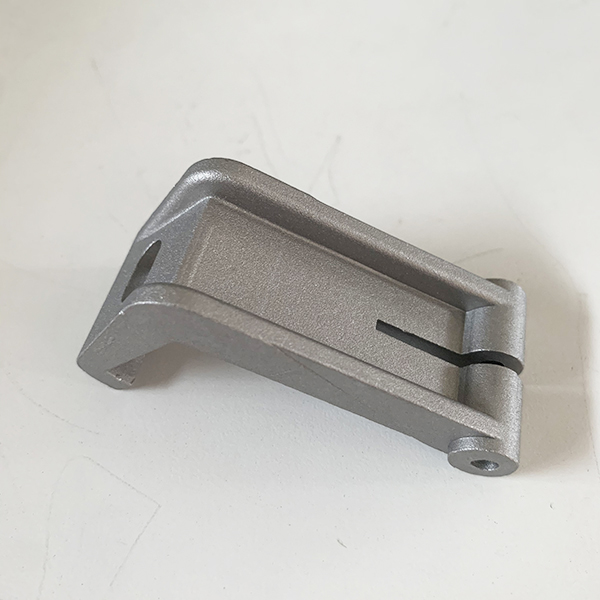
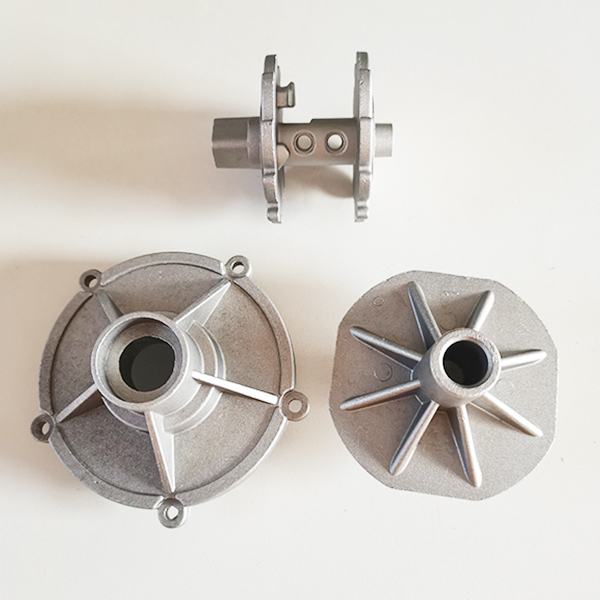
Aluminum Alloy Castings
Aluminum Alloy Castings are aluminum components produced from various aluminum alloy materials through casting processes, offering lightweight structures, high strength, corrosion r......
 Product description
Aluminum Alloy Castings
Overview
Aluminum Alloy Castings are components manufactured by pouring molten aluminum alloys into molds through processes such as die casting, sand casting, gravity casting, and precision casting. Different aluminum alloy compositions provide various levels of strength, hardness, corrosion resistance, and thermal performance to meet diverse application requirements.
These castings are widely used in automotive systems, industrial equipment, automation machinery, electrical products, and mechanical assemblies. Aluminum alloys provide advantages including lightweight design, excellent strength-to-weight ratio, good thermal conductivity, and stable dimensional performance.
Product Features
Lightweight and High Strength
Aluminum alloys provide excellent mechanical strength while maintaining low weight, making castings suitable for applications requiring durable and lightweight structures.
Excellent Corrosion Resistance
Aluminum alloy materials offer good resistance to corrosion and environmental conditions, supporting long-term operation in various applications.
Complex Component Capability
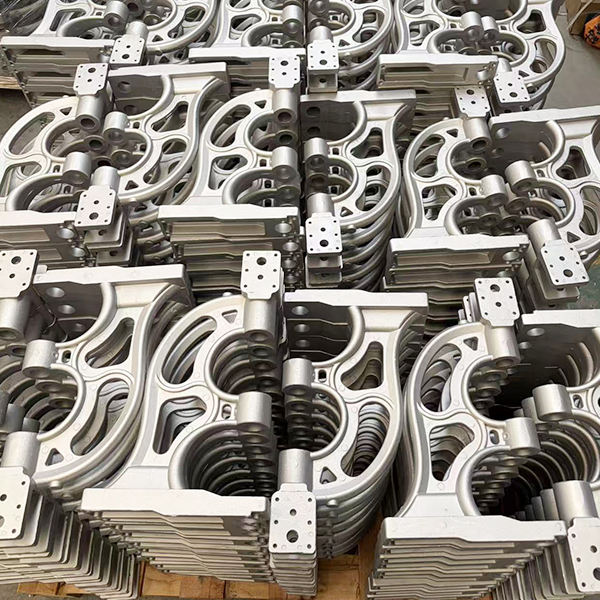
Casting processes enable the production of aluminum alloy parts with complex geometries, internal structures, mounting features, and integrated designs.
Stable Dimensional Performance
Aluminum alloy castings provide accurate dimensions, consistent structures, and reliable assembly performance when combined with precision machining.
Good Thermal Conductivity
Aluminum alloys offer effective heat transfer properties, making them suitable for components requiring thermal management.
Applications
Automotive Components
Aluminum alloy castings are commonly used in:
Engine housings
Motor housings
Transmission components
Chassis brackets
Structural parts
These components support lightweight vehicle designs and reliable system performance.
Industrial Equipment
Applications include:
Machine housings
Equipment bases
Mechanical supports
Protective covers
Connection components
Aluminum alloy castings provide stable performance for industrial systems.
Electrical and Electronic Products
Used for:
Electrical enclosures
Controller housings
Heat sink structures
Protective covers
Electronic equipment parts
These components provide structural protection and thermal management.
Mechanical Systems
Common applications include:
Pump components
Valve parts
Gear housings
Motor components
Mechanical assemblies
Aluminum alloy castings improve equipment integration and operational reliability.
Manufacturing Process
The aluminum alloy castings process generally includes:
Product design analysis
Mold or pattern preparation
Aluminum alloy melting
Casting and solidification
Casting cleaning and finishing
CNC machining and precision processing
Surface treatment and inspection
Each process stage helps achieve accurate dimensions, stable structures, and reliable component performance.
Material Options
Common aluminum alloys used for casting include:
ADC12 Aluminum Alloy
A380 Aluminum Alloy
A356 Aluminum Alloy
A357 Aluminum Alloy
AlSi9Cu3 Aluminum Alloy
Different aluminum alloys provide different levels of strength, hardness, corrosion resistance, wear resistance, and thermal conductivity.
Custom Aluminum Alloy Castings
Aluminum Alloy Castings can be developed according to specific application requirements, including:
Customized component structures
Complex casting designs
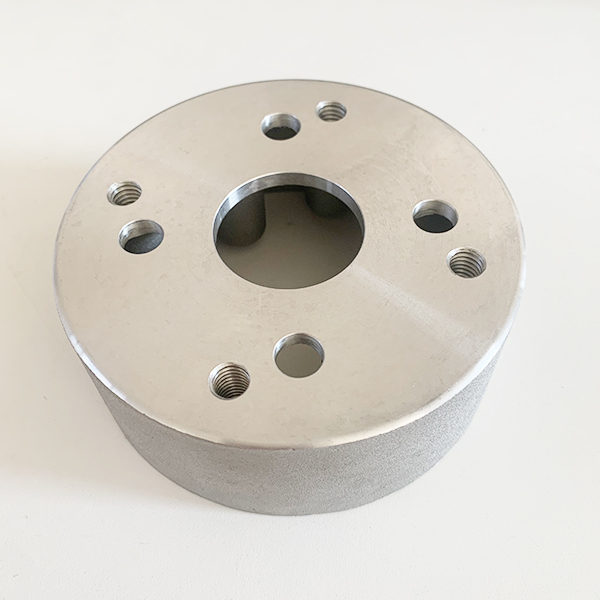
Precision machining features
Surface finishing options
Lightweight aluminum solutions
These components are suitable for applications requiring accurate, durable, and high-performance aluminum alloy parts.
 2026-06-26





Botou Ruitai Die Casting Co., Ltd.
Copyright © 2026-202 https://www.ruitaidiecasting.com. All Rights Reserved Botou Ruitai Die Casting Co., Ltd.All rights reserved