

 Current location:
NEWS INFORMATION
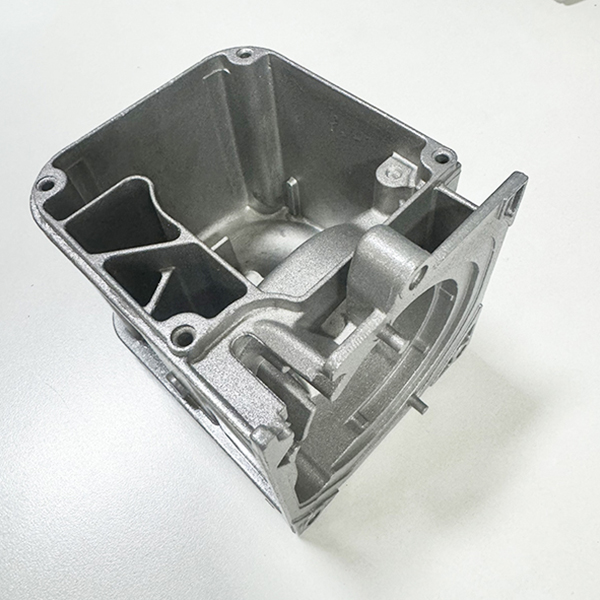
Aluminum Die Cast Housings for Instruments and Metering Devices
date:2026-09-30 10:24:28 click:155
A flow meter in a plant, a power analyser on a switchgear panel and a weighing indicator on a loading dock have one requirement in common beyond protecting the electronics: the enclosure must not change. Instruments get calibrated, sealed and left alone for years, and anything that moves, flexes or corrodes becomes a measurement problem rather than a cosmetic one. Cast aluminum is the material most instrument builders settle on because it combines dimensional stability, electromagnetic shielding, decent thermal behaviour and a finish that looks appropriate on industrial equipment. The details that separate an adequate housing from a good one are mostly decided before the tool is cut.

Stability Over the Service Life
Die cast aluminum is dimensionally stable in normal service, but it is not inert. Components that will be machined and then held to a tight tolerance should be stabilised — natural ageing or a low-temperature treatment — before finishing cuts, particularly where a bore position matters across the full temperature range the device sees. The more common source of drift is stress: a housing clamped hard in a fixture during machining can spring back afterwards, and a flat sealing face machined in one setup may not stay flat once the part is released. Discussing where the fixture clamps, and adding non-critical clamping pads to the casting, is a small tooling cost that removes a persistent inspection problem.
Shielding, Grounding and Surface Conductivity
Aluminum enclosures provide useful electromagnetic shielding, and instrument designs frequently rely on it to meet emission and immunity requirements. The catch is that the shielding only works if the enclosure is electrically continuous. Anodising produces an insulating oxide layer; powder coating is worse. Where shielding matters, the specification has to define masked or machined contact areas — around the lid joint, at cable entry plates, and wherever a grounding stud lands. Conductive conversion coatings exist and preserve continuity without painting, but they offer less corrosion protection, so the choice depends on where the instrument will live. A supplier that machines grounding pads as part of the standard process saves an operation and avoids a field problem that is very hard to diagnose.
Windows, Gaskets and Sealing Faces
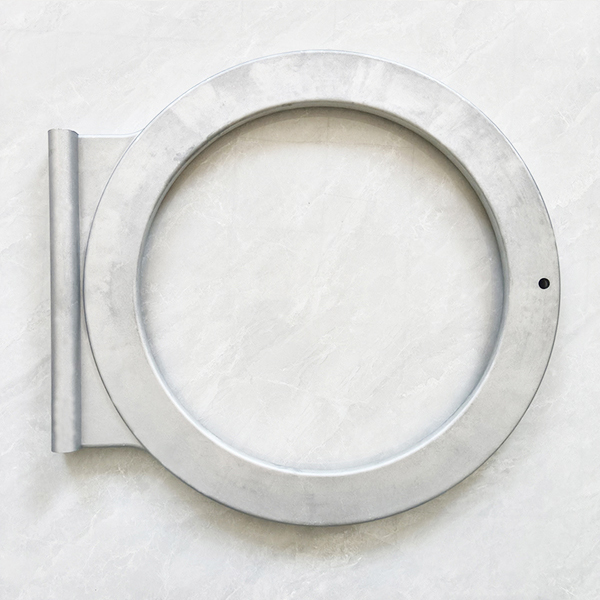
Instruments need displays, and glass or polycarbonate windows need a sealing method. A groove cast around the window aperture with a gasket or a dispensed bead is standard; compression has to be controlled, which means the groove depth and the cover's flatness both matter. Where a device is sealed for ingress protection and then sealed again by a calibration authority, the design should allow the enclosure to be opened and resealed without degrading the gasket — a groove that locates the gasket properly does, while a flat face relying on friction does not. Flatness specifications on these faces should be called out explicitly, because general tolerances in a casting standard are far looser than a sealing joint requires.
Field Service and the Second Assembly
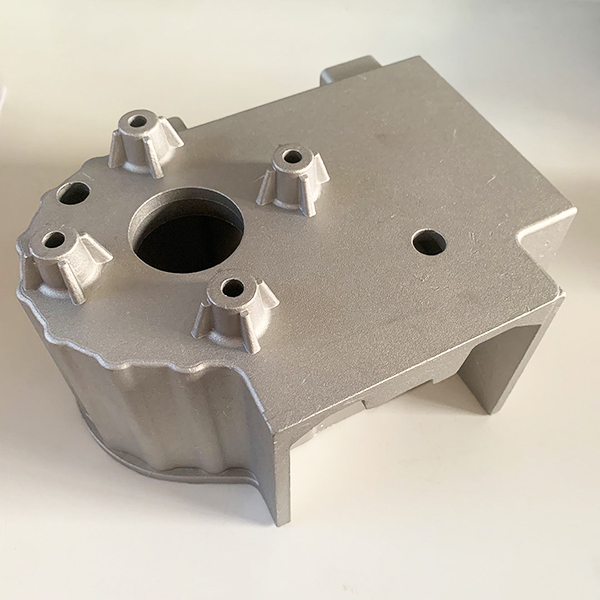
Instruments get opened. Terminals are re-torqued, boards are swapped, displays are replaced, sometimes by someone working in poor light with cold hands. Threaded holes in cast aluminum are the weak point here: cut threads in a cored pilot hole are adequate for a few cycles, while a device expected to be opened many times benefits from stainless thread inserts. Captive screws that stay in the lid prevent lost hardware. Bosses should be joined to the wall by ribs so they survive torque without cracking. And the assembly should be tolerant of being reassembled slightly out of order — chamfers and lead-ins on the lid joint are cheap insurance against cross-threading and pinched cables.
Weight, Mounting and Installation
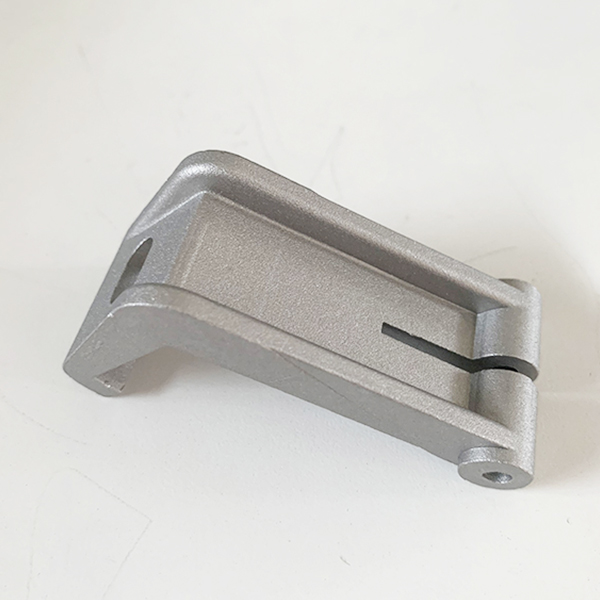
Panel-mounted instruments and handheld devices pull in opposite directions: one wants mass and rigidity, the other wants to be carried all day. Cast aluminum handles both because wall thickness can vary across a single part — thick at the mounting feet and around threaded bosses, thin across large flat panels. Wall-mounted and pipe-mounted instruments need mounting features that resist the installation method, not just the device weight: a bracket tightened onto a pipe applies a bending load that a flat as-cast surface distributes poorly. Radiused transitions and locally thickened mounting areas prevent the cracks that appear months after installation.
Consistency Between Production Lots
Calibrated instruments are sensitive in an unexpected way: if the housing geometry shifts between lots, the internal assembly may sit differently and the instrument may need recalibration on the line. Keeping castings consistent requires controlled tooling maintenance, a defined inspection plan with capability data on critical dimensions, and communication when a tool is refurbished or a core is replaced. Asking a manufacturer for first-article inspection reports with measured values, and for a process-change notification policy, is entirely reasonable for this class of product. A supplier that treats documentation as part of the deliverable rather than a favour is the one that will still be shipping consistent parts in year three.
References
International Electrotechnical Commission. (2010). IEC 61010-1: Safety requirements for electrical equipment for measurement, control, and laboratory use. IEC.
International Electrotechnical Commission. (2020). IEC 61326-1: Electrical equipment for measurement, control and laboratory use - EMC requirements. IEC.
International Electrotechnical Commission. (2013). IEC 60529: Degrees of protection provided by enclosures (IP Code). IEC.
International Organization of Legal Metrology. (2006). OIML R 76-1: Non-automatic weighing instruments - Part 1: Metrological and technical requirements. OIML.
ASTM International. (2018). ASTM B85/B85M: Standard Specification for Aluminum-Alloy Die Castings. ASTM International.
International Organization for Standardization. (2015). ISO 9001: Quality management systems - Requirements. ISO.






Botou Ruitai Die Casting Co., Ltd.
Copyright © 2026-202 https://www.ruitaidiecasting.com. All Rights Reserved Botou Ruitai Die Casting Co., Ltd.All rights reserved