

 Current location:
Product Details
PRODUCTS DISCRIPT
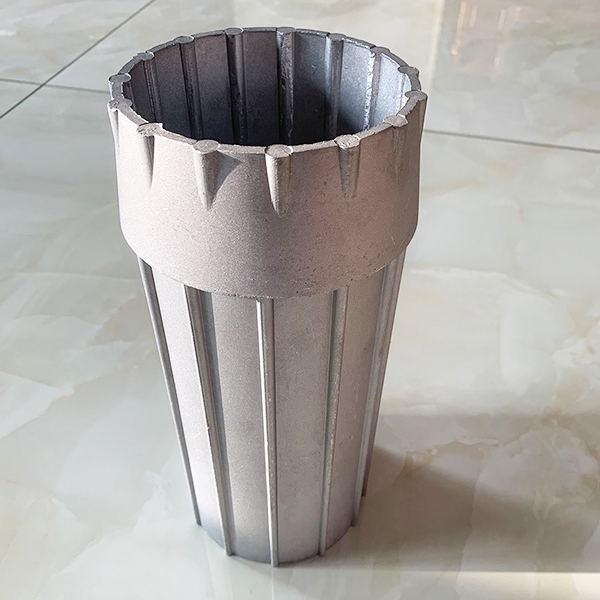
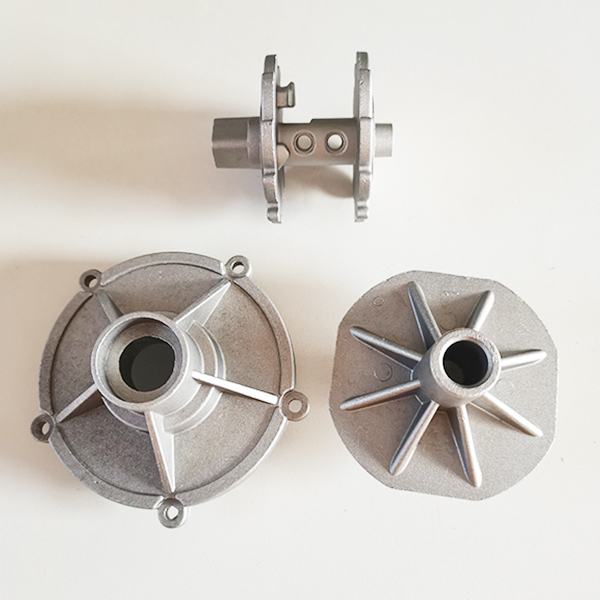
Automotive Electronics Housing
Automotive Electronics Housings are protective components designed for vehicle electronic systems, offering lightweight structures, excellent heat dissipation, corrosion resistance,......
 Product description
Automotive Electronics Housing
Overview
Automotive Electronics Housings are protective enclosures used for automotive electronic components and control systems. These housings are manufactured through processes such as aluminum die casting, precision machining, and metal forming to provide structural protection, thermal management, and stable performance in vehicle environments.
Automotive electronics housings are widely used in engine control systems, electric vehicle components, battery management systems, motor controllers, sensors, and electronic control units. Aluminum materials provide advantages including lightweight design, good thermal conductivity, corrosion resistance, and excellent mechanical strength.
Product Features
Lightweight Structural Design
Aluminum alloy housings provide high strength with reduced weight, helping improve vehicle efficiency while maintaining reliable protection for electronic components.
Efficient Heat Dissipation
Aluminum materials offer excellent thermal conductivity, helping transfer heat generated by electronic systems and maintain stable operating temperatures.
Reliable Protection Performance
Automotive electronics housings protect internal components from vibration, impact, dust, moisture, and environmental conditions.
Precision Assembly Capability
Accurate dimensions, mounting structures, and interface designs ensure reliable integration with automotive electronic systems.
Complex Design Support
Manufacturing processes support integrated structures, cooling features, mounting brackets, and customized housing designs.
Applications
Electronic Control Units
Automotive electronics housings are commonly used for:
ECU housings
Control module enclosures
Electronic system covers
Circuit protection housings
These housings provide protection and structural support for vehicle control systems.
Electric Vehicle Components
Applications include:
Battery management system housings
Motor controller housings
Power control unit enclosures
Charging system housings
Aluminum housings support lightweight and efficient electric vehicle systems.
Sensor Systems
Used for:
Sensor protection housings
Radar system enclosures
Monitoring device cases
Electronic detection components
These housings help maintain stable sensor performance in different environments.
Automotive Electrical Systems
Common applications include:
Relay boxes
Power distribution housings
Connection enclosures
Electrical protection covers
Automotive electronics housings provide reliable protection for vehicle electrical systems.
Manufacturing Process
The automotive electronics housing process generally includes:
Product structure analysis
Mold design and preparation
Aluminum alloy forming or die casting
CNC machining and precision processing
Surface treatment
Dimensional inspection and assembly verification
Each process stage helps achieve accurate dimensions, stable structures, and reliable housing performance.
Material Options
Common materials used for automotive electronics housings include:
ADC12 Aluminum Alloy
A380 Aluminum Alloy
A356 Aluminum Alloy
Aluminum Alloy 6061
Different materials provide various levels of strength, corrosion resistance, thermal conductivity, and mechanical performance.
Custom Automotive Electronics Housings
Automotive Electronics Housings can be developed according to specific application requirements, including:
Customized housing structures
Precision mounting features
Integrated cooling designs
Waterproof and protective structures
Lightweight aluminum solutions
These housings are suitable for automotive applications requiring durable, accurate, and high-performance electronic protection components.
 2026-06-26





Botou Ruitai Die Casting Co., Ltd.
Copyright © 2026-202 https://www.ruitaidiecasting.com. All Rights Reserved Botou Ruitai Die Casting Co., Ltd.All rights reserved