

 Current location:
NEWS INFORMATION
How to Choose a Die Casting Supplier: A Practical Checklist for Buyers
date:2026-08-27 16:28:56 click:59
Choosing a die casting supplier is a decision you live with for years. The cheapest quote rarely produces the cheapest total cost, and the most impressive website does not guarantee the best parts. This checklist lays out what actually matters when you evaluate die casting factories: capability, quality systems, communication, and the costs nobody puts on the quote. Use it and you will make a choice you can defend later.
Start With Capability, Not Price
Before comparing prices, compare what the factory can actually do. What is the machine tonnage range? Can they handle your part size? Do they cast aluminum, zinc, or both? What is their capacity for machining and finishing? A supplier who can cast, machine, and finish under one roof saves you logistics headaches and shortens lead times. Confirm their range matches your project, both today's project and the ones you expect next year. Capability also includes capacity. A factory running at 95 percent utilization may quote you great prices and then miss every delivery date because your parts keep losing the scheduling fight.
Quality Systems and Certifications
ISO 9001 certification is the baseline for any serious manufacturer, and automotive buyers should look for IATF 16949. But certificates are only the starting point. Ask how quality is enforced day to day. Do they do first-article inspection? In-process checks? Final inspection with records? What happens to nonconforming parts? A factory with documented procedures and traceable records is a factory you can audit with confidence. Ask for the certificate number and verify it on the issuing body's register; expired or borrowed certificates are more common than they should be.
Process Coverage and Equipment
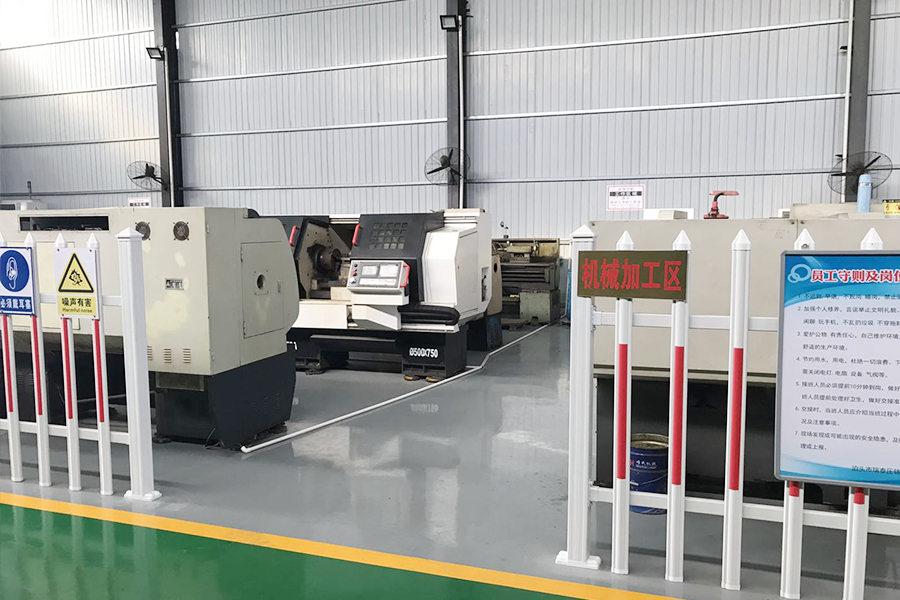
Die casting is only one step in making a finished part. The best projects flow from casting to trimming to CNC machining to surface finishing in one place. Ask about their equipment list: die casting machines, CNC centers, surface treatment lines. Ask about secondary operations like tapping, riveting, or assembly. Fewer handoffs between factories means shorter lead times and fewer arguments about who caused a defect.
Communication and Engineering Support
You will spend more time talking to your supplier than inspecting their machines. Can they review your design and suggest improvements? Do they answer questions in your language and on your schedule? Do they send samples and reports proactively? A supplier who flags a design risk before tooling is worth more than one who nods along and discovers the problem after the die is cut. Look for engineering support, not just order taking. Time zone differences matter less than responsiveness. A supplier who answers within a day, every time, is worth more than one who replies in three days with a perfect answer.
Lead Times, MOQ, and Hidden Costs
Ask for realistic lead times: tooling build, first articles, and production runs. Ask about minimum order quantities and how they scale with volume. Then look for hidden costs, tooling modifications, special packaging, export paperwork, samples, and dies stored for years. A transparent supplier puts these on the table before you ask. Get the full cost picture in writing, not just the per-piece price. Also confirm how they handle rush orders. Some factories will rearrange the schedule for a good customer; others simply cannot, and you need to know which kind you are dealing with before you need the favor.
Site Visits and Audits
If the order is large enough to matter, visit the factory. A day on the floor tells you more than a month of email. Watch how the machines run, whether operators have work instructions, whether gauges have calibration stickers, and how scrap is handled. Ask to see the quality lab and the records for a recent production batch. If a visit is impractical, a video tour is a reasonable second option, and a live video call showing the production line, the machines, and the inspection room is surprisingly revealing. Formal audits, whether by your team or a third party, are standard practice for automotive and medical buyers. Even a light audit of a new supplier before the first production order is cheap insurance against a very expensive surprise.
Red Flags to Watch For
Beware of quotes that are dramatically lower than everyone else's. Someone is cutting a corner, and it is usually quality. Beware of vague answers about tolerances, inspection, or lead times. Beware of suppliers who cannot show you real parts or real customer references. And if a factory promises the world in a week, they are probably promising what they cannot deliver. Trust builds through small orders, samples, and honest communication, so start there and scale up.
References
ISO 9001:2015, Quality management systems — Requirements.
IATF 16949:2016, Quality management system requirements for automotive production.
North American Die Casting Association, Product Specification Standards for Die Castings.
ASTM International, ASTM B85/B85M, Standard Specification for Aluminum-Alloy Die Castings.
ISO 14001:2015, Environmental management systems — Requirements with guidance for use.






Botou Ruitai Die Casting Co., Ltd.
Copyright © 2026-202 https://www.ruitaidiecasting.com. All Rights Reserved Botou Ruitai Die Casting Co., Ltd.All rights reserved