

 Current location:
NEWS INFORMATION
Die Casting Mold Design and Tooling: What Affects Cost and Quality
date:2026-08-27 16:27:30 click:92
The mold, or die, in die casting language, is where most of the cost and most of the risk live. A well-designed die runs for hundreds of thousands of cycles with minimal maintenance. A poorly designed one causes defects from day one and is expensive to fix. Understanding how dies are built and what drives their cost helps you budget realistically and avoid surprises. This article explains the essentials of die casting tooling for anyone who buys cast parts.
How a Die Casting Die Is Built
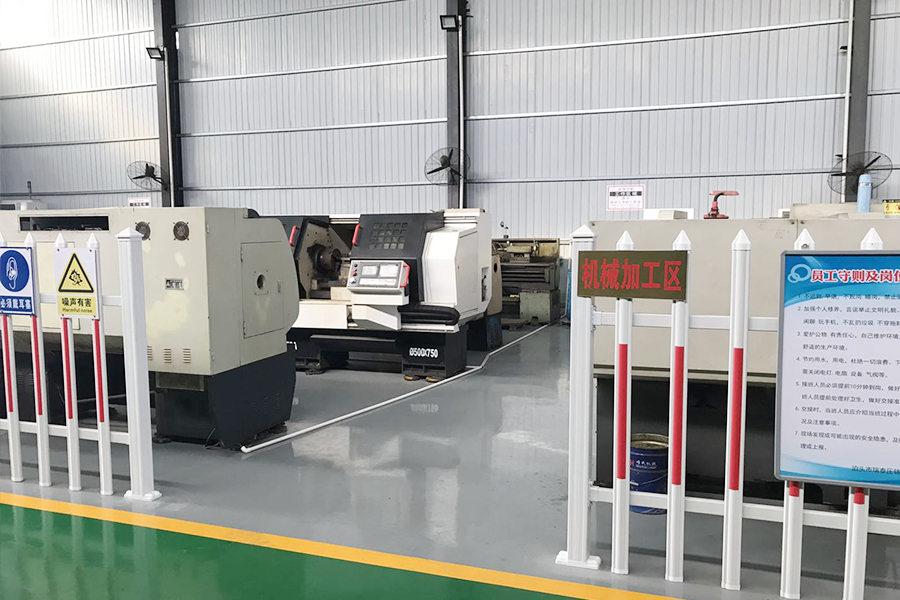
A die casting die is made of hardened tool steel, usually H13 or a similar grade. It has two halves that clamp together under high pressure, a cavity machined to the part shape, and a system of runners and gates that feed molten metal into the cavity. Water channels inside the steel control temperature, and ejector pins push the finished casting out. Building a die is a precision machining project in its own right. Cavity work is done on CNC mills and electrical discharge machines, then the steel is heat-treated and fitted.
The Big Cost Drivers in Tooling
Die cost scales with size, complexity, and the number of cavities. A single-cavity die for a small part might cost a few thousand dollars, while a multi-cavity die for a large, complex housing can run far higher. Features that add cost include deep cores, moving slides, complicated parting lines, and tight surface requirements. The number of cavities is a trade: more cavities means lower per-piece cost but a bigger tooling bill and a longer build time. Your expected annual volume should drive that decision, not optimism. A useful rule of thumb: the tooling quote should include a breakdown by cavity work, slides and cores, heat treatment, and assembly, so you can see where the money goes and question the big line items.
Mold Life and Maintenance
Tool steel can only take so much thermal cycling before it starts to crack and erode. Aluminum's high temperature wears dies faster than zinc's cooler process. With proper maintenance, an aluminum die may deliver hundreds of thousands of shots, and a zinc die can run well beyond that. Regular maintenance, cleaning, polishing, checking cooling channels, repairing minor cracks, is what separates dies that last from dies that fail mid-order. Ask any supplier about their tooling maintenance routine before you place a large order. Also ask how many shots the die has already produced and what the projected remaining life is, especially if you are buying a tool that a previous customer left behind.
Design for Manufacturability in the Mold
Every casting design decision shows up in the die. Draft angles keep the part from sticking. Uniform walls prevent hot spots that shorten die life. Generous fillets reduce crack initiation at corners. Features like undercuts require slides, which add moving parts to the die and cost more to build and maintain. The cheapest fixes are almost always made on the part drawing before the die is cut, so take the design review stage seriously. Every extra degree of draft, every millimeter of fillet radius, and every avoided undercut shows up directly in tooling cost and die life, which is why experienced buyers let the die caster review drawings before quoting final numbers.
How Long Does Tooling Take?
Tooling lead time is one of the most common sources of schedule shock. A simple single-cavity die can be built in three to four weeks. A multi-cavity die for a complex housing, with slides, cores, and fine surface finishes, can take eight to twelve weeks or more. The timeline depends on the die shop's workload as much as the design, so ask for a written schedule at quoting and track it like any other deliverable. Trial shots and sampling add another one to three weeks. If your launch date is fixed, build the tooling schedule into the plan from the start, and consider paying for a faster slot at a busy die shop if the calendar demands it. Rushing tooling is expensive; planning it is cheap.
Questions to Ask Before Tooling Starts
Before you approve a tooling quote, ask about the steel grade, expected die life, the number of cavities, and the maintenance plan. Ask how trial shots will be handled and who pays for die trials. Ask what happens if the die needs modification after sampling. A clear answer on these points beats a low quote with vague terms. Also remember that the die is your asset too. Make sure you understand the ownership terms in the contract, because dies are often stored and maintained by the factory for years.
References
North American Die Casting Association, Product Specification Standards for Die Castings.
ASM International, ASM Handbook, Volume 15: Casting.
ISO 4957:2018, Tool steels.
North American Die Casting Association, Recommended Procedures for Premium Quality H13 Tool Steel.
Die Casting Engineer, North American Die Casting Association, industry magazine.






Botou Ruitai Die Casting Co., Ltd.
Copyright © 2026-202 https://www.ruitaidiecasting.com. All Rights Reserved Botou Ruitai Die Casting Co., Ltd.All rights reserved