

 Current location:
NEWS INFORMATION
Die Cast Housing Design: Key Considerations for Enclosures
date:2026-08-27 16:20:21 click:51
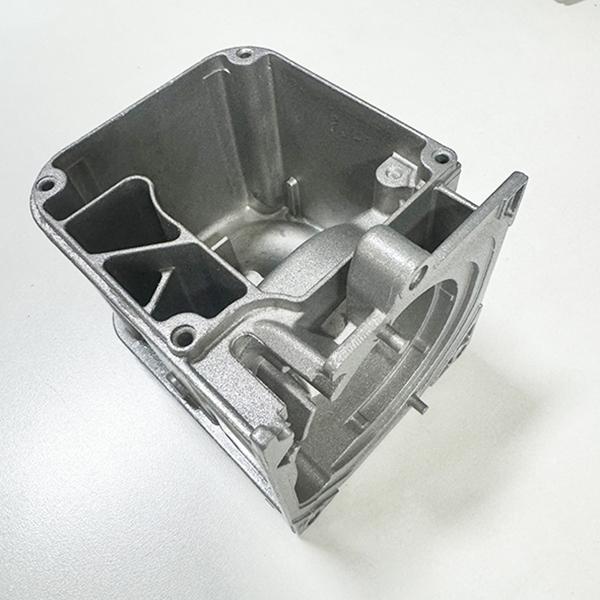
The housing is often the most visible part of a product, and for many engineers it is also the most underestimated. A die cast housing has to protect internal components, dissipate heat, mount reliably, and look right, all at a price the market accepts. Die casting is the preferred process for metal housings because it produces rigid, lightweight enclosures with built-in mounting features that would be expensive to fabricate any other way. Get the basics right and the rest of the product development runs smoother.
Why Die Casting Suits Housings
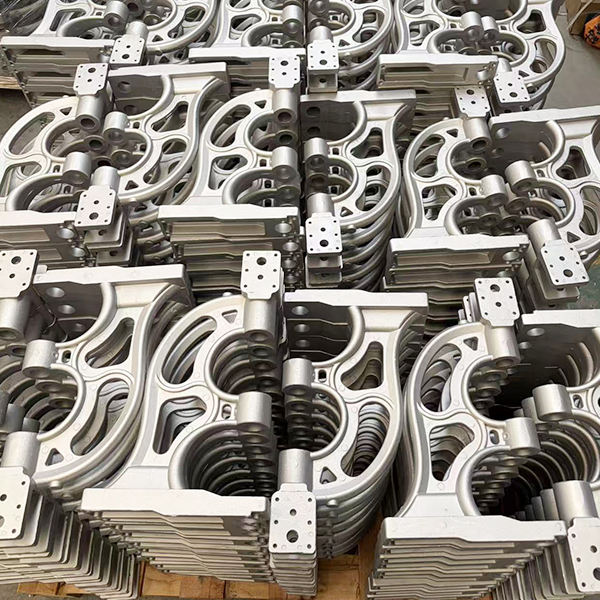
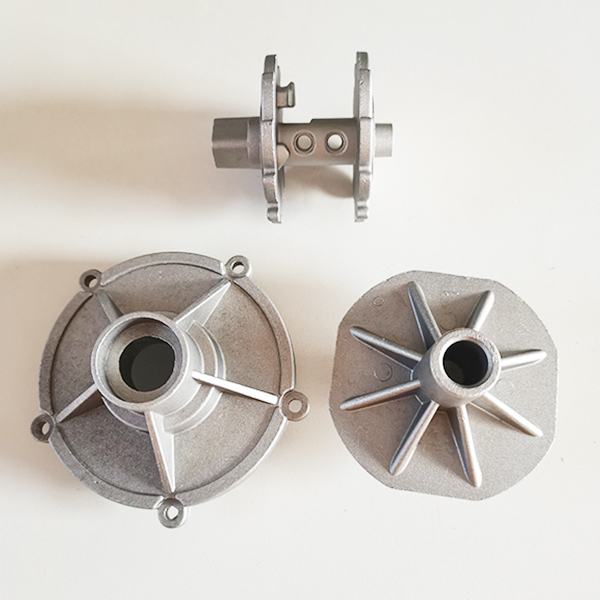
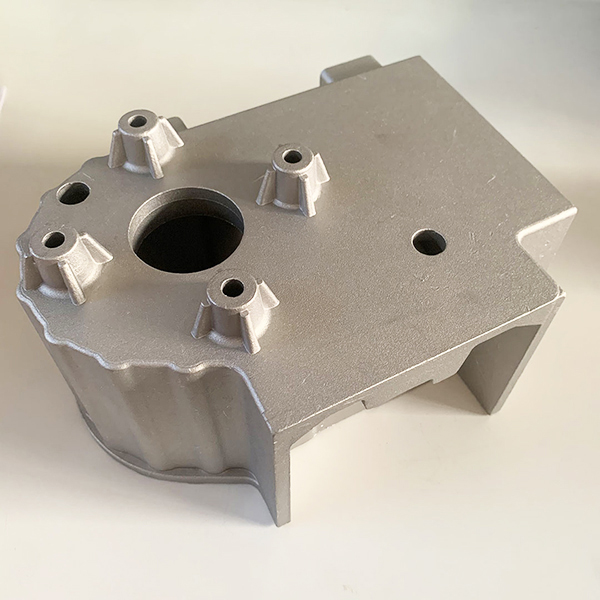
A cast housing is one piece of metal, not a welded box. That gives you inherent rigidity, good electromagnetic shielding in many cases, and clean surfaces for finishing. Compared to sheet metal fabrication, a die cast housing can integrate bosses, ribs, standoffs, and cable entries directly into the casting. Fewer parts means fewer assembly steps, fewer fasteners, and fewer potential leak paths. That is why industrial equipment, instrumentation, and security products so often use die cast housings rather than fabricated alternatives.
Wall Thickness and Rib Design
Housings typically use walls of 2.0 to 3.0 mm in aluminum. Keep wall thickness as uniform as possible; thick sections cool slower and invite shrinkage porosity. When you need stiffness, add ribs instead of thickening the wall. Ribs should be about the same thickness as the adjoining wall to avoid sink marks on cosmetic surfaces. Draft angles of 1 to 2 degrees on walls, and a bit more on deep ribs, help the casting release cleanly and protect the die surface.
Bosses, Inserts, and Assembly Features
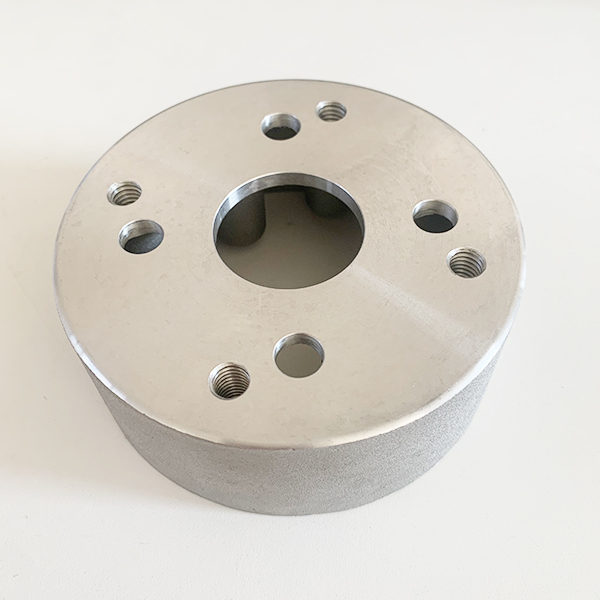
Bosses for screws are one of the most common housing features. A solid boss needs a core pin in the die, and its diameter must suit the screw size plus enough wall around it. For threads that get assembled and disassembled repeatedly, cast-in threaded inserts or helically coiled inserts are worth the extra cost. Countersunk holes, alignment dowels, and snap-fit details can all be designed into the casting, but each feature adds a little tooling complexity, so review them one by one with the manufacturer before the die is cut.
Sealing and Shielding Considerations
If the housing must keep out dust or water, plan the sealing surface carefully. A flat, machined groove for an O-ring or gasket beats relying on the as-cast surface, which is never flat enough for a reliable seal. For EMI shielding, aluminum provides natural attenuation, and the casting can include a continuous contact surface for the lid. Ask for pressure-tight testing if the housing holds fluid or must meet an IP rating. These requirements change the process and the inspection plan, so mention them early in the quoting stage.
Finishing Options for Die Cast Housings
Powder coating is the default finish for industrial die cast housings. It is durable, available in any color, and good at hiding minor surface blemishes. Anodizing gives a harder, more technical look, though the alloy must be suitable and the surface quality must be better to start with. For indoor electronics, a simple conversion coating plus paint is often enough. Your finishing choice affects the die design: if you plan to anodize, cosmetic surfaces need better as-cast quality and consistent alloy, which can influence tooling decisions.
Working with a Die Cast Housing Manufacturer
Send the supplier the full assembly context, not just the housing drawing. They need to know about internal components, mounting orientation, required IP rating, and finishing expectations. A good manufacturer will flag features that are risky to cast, deep blind holes, extreme thin walls, sharp corners, and suggest alternatives before the tool is cut. That early discussion is where the biggest cost savings happen. A housing that is designed with the casting process in mind from day one is cheaper to tool, faster to sample, and easier to produce in volume.
References
North American Die Casting Association, Product Specification Standards for Die Castings.
ASM International, ASM Handbook, Volume 15: Casting.
ISO 8062-3:2007, Geometrical product specifications — Dimensional and geometrical tolerances for moulded parts.
ASTM International, ASTM B85/B85M, Standard Specification for Aluminum-Alloy Die Castings.
The Aluminum Association, Aluminum Standards and Data.






Botou Ruitai Die Casting Co., Ltd.
Copyright © 2026-202 https://www.ruitaidiecasting.com. All Rights Reserved Botou Ruitai Die Casting Co., Ltd.All rights reserved