

 Current location:
NEWS INFORMATION
Custom Die Casting Services: From Design to Mass Production
date:2026-08-27 16:18:36 click:150
When a product design moves from concept to physical part, the manufacturing method chosen can make or break the project's timeline, budget, and performance outcomes. Custom die casting services offer a way to produce complex metal components with tight tolerances, repeatability at scale, and surfaces ready for assembly without extensive post-processing. Whether you are sourcing parts for automotive assemblies, industrial equipment, or consumer electronics, understanding how a precision die casting manufacturer approaches your project from the earliest design stage through to shipment helps you make smarter decisions and avoid costly revisions downstream.
Why Custom Die Casting Appeals to Engineers
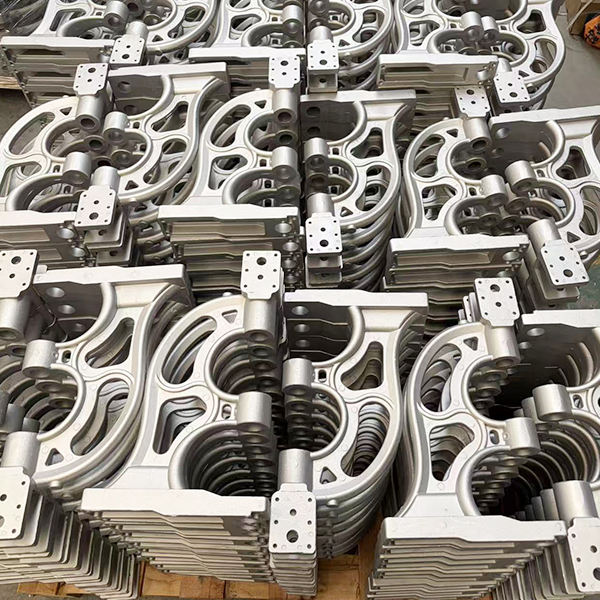
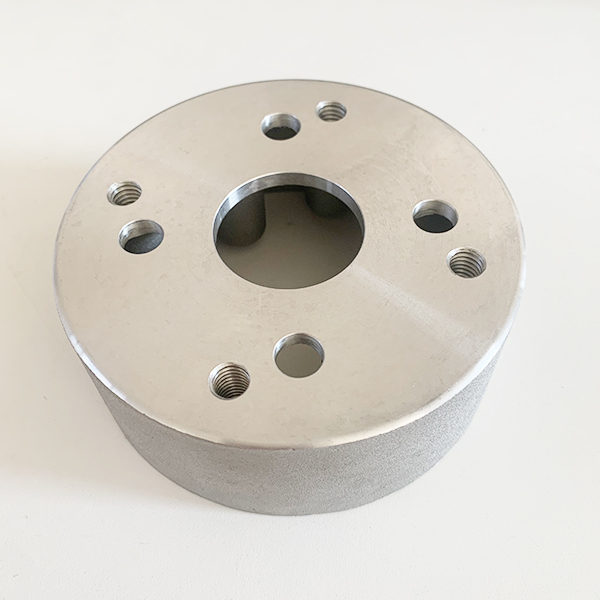
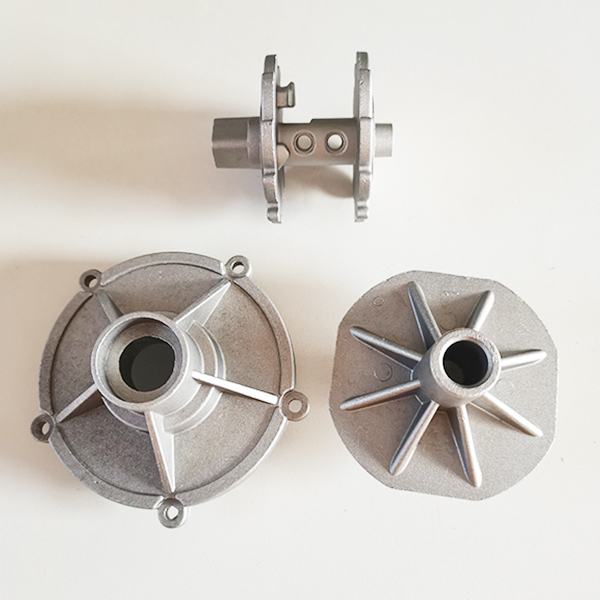
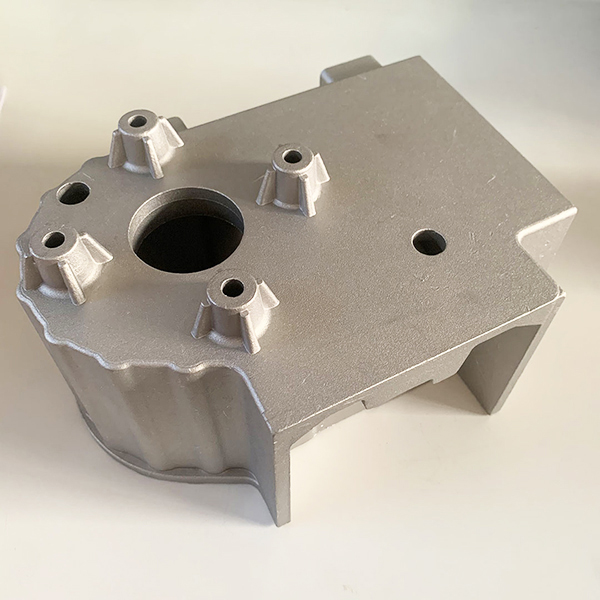
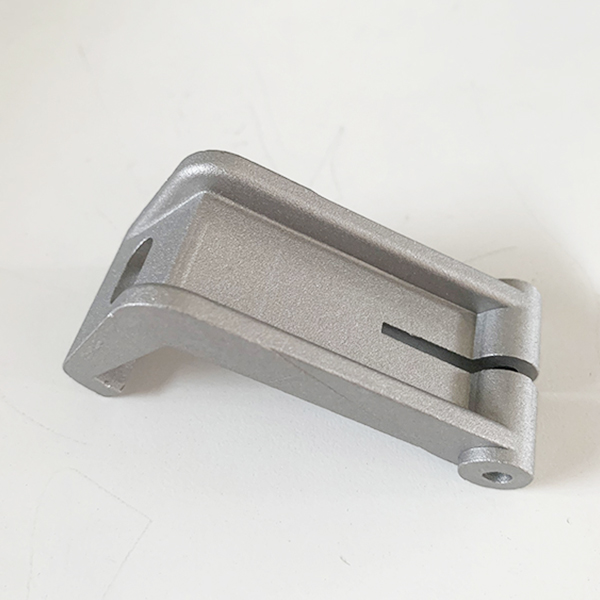
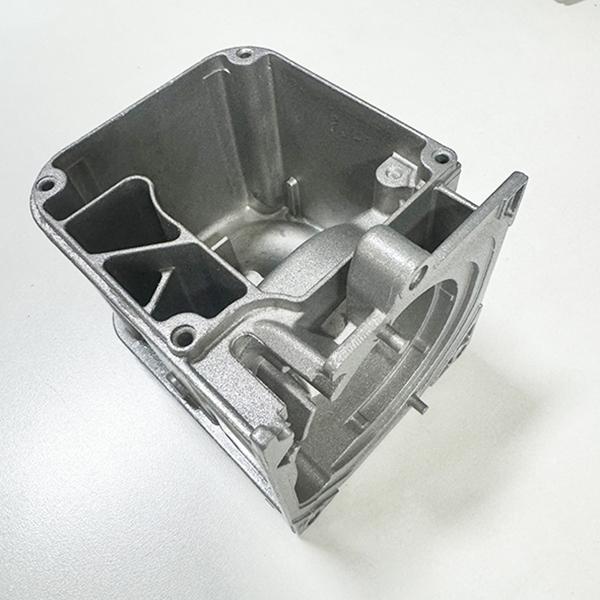
Engineers turn to custom die casting services for several practical reasons that directly affect part quality and production economics. The process injects molten metal under high pressure into a steel die, which gives designers the ability to create intricate geometries with thin walls and precise dimensions. Aluminum and zinc alloys are the most common choices, each offering a different balance of strength, weight, and corrosion resistance. A die casting manufacturer typically maintains the tooling in-house or manages it through a trusted tooling partner, which keeps the process streamlined for clients who do not want to coordinate across multiple vendors.
The repeatability of the process is another major draw. Once the die is validated and the process parameters are locked in, each cycle produces parts that hold dimensional specifications within tight ranges. This consistency matters enormously for applications where装配 fit and functional performance depend on uniformity across thousands or millions of units. An aluminum casting factory running a well-maintained die can deliver this level of consistency without the variability that sometimes plagues other metal forming methods.
Design for Manufacturability in Die Casting
The most successful projects using custom die casting services begin collaboration between the OEM designer and the casting supplier early in the product development cycle. Design for manufacturability, often abbreviated as DFM, is not a buzzword in this context; it is a practical necessity. Wall thickness uniformity, draft angle requirements, and the placement of features like ribs and bosses all influence whether a part can be produced efficiently and whether the die will have a long service life.
A skilled oem die casting supplier will review part drawings and flag areas where geometry may cause defects such as porosity, cold shuts, or difficult fill patterns. Adjusting a fillet radius, adding a draft angle to a vertical wall, or redistributing material to avoid a sudden thickness transition can dramatically improve casting quality without altering the part's functional intent. These adjustments cost far less when they are made during the design phase rather than after a die has already been machined. This is precisely why the most reliable precision die casting manufacturer relationships are built on open technical dialogue well before a purchase order is issued.
Prototyping and Sample Approval
Before committing to mass production tooling, most projects benefit from a prototype or soft-tooling sample phase. Soft tools, often made from aluminum rather than hardened steel, allow the casting house to produce a limited number of parts quickly and at lower cost. These samples let designers and engineers verify dimensional accuracy, test fit in the assembly, and confirm that the chosen alloy delivers the mechanical properties the application requires. Any adjustments identified during sample review get incorporated into the final tooling design, which protects the investment in hardened dies from the outset.
The sample approval process typically involves measuring critical dimensions, conducting any required mechanical testing, and sometimes performing a functional test on the assembled product. An experienced die casting manufacturer will provide dimensional reports and material certifications alongside physical samples, giving the client documented evidence that the parts meet specifications. Rushing through this phase to save a few days almost always costs more time and money later when production tooling is already cut.
Scaling Up to Full Production
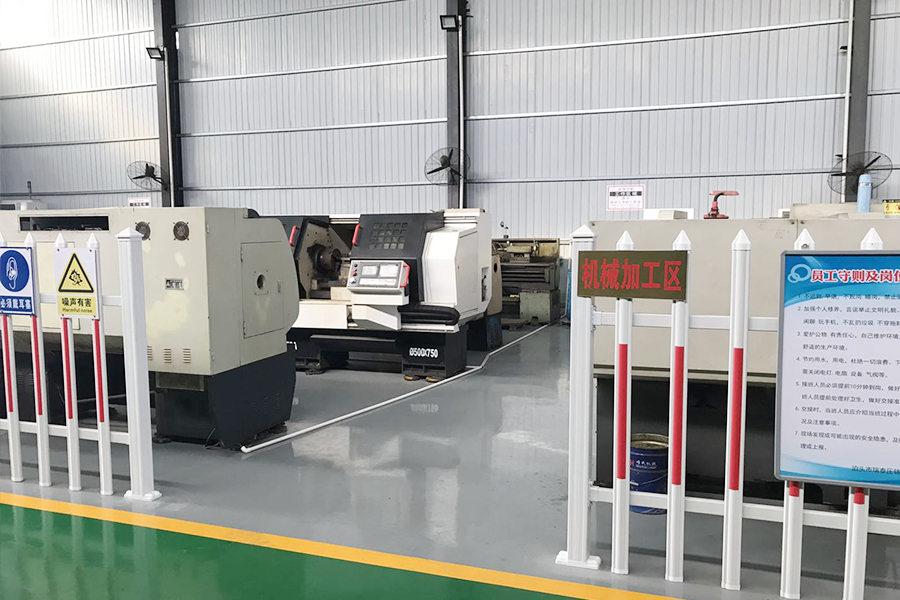
Once samples are approved, the transition to full production is a question of process optimization and supply chain logistics. A well-organized aluminum casting factory will have dedicated casting cells set up for specific alloy and part families, which reduces changeover time and keeps cycle times consistent. The die casting manufacturer should provide regular production updates that include shot counts, defect rates, and any deviations from established parameters.
Quality assurance during mass production goes beyond final inspection. Many casting suppliers implement in-process controls such as thermal monitoring of the die, pressure curve analysis during each shot, and statistical process control on critical dimensions. These measures catch variations before they result in scrap or customer returns. For clients sourcing from an oem die casting supplier, clear communication about forecast volumes, packaging requirements, and shipping schedules ensures that the production plan aligns with theirAssembly line needs and inventory management systems.
Summary
Custom die casting services provide a capable path from initial part design through to high-volume production, but the value of the process depends heavily on early collaboration with a knowledgeable casting partner. Engaging a precision die casting manufacturer during the design phase allows teams to optimize geometry for the casting process, reduce tooling revision costs, and set realistic expectations for material properties and surface finish. A structured sample approval process then validates those design choices before hard tooling is committed. From there, a capable die casting manufacturer or aluminum casting factory manages the operational details of mass production, maintains consistent quality across cycles, and coordinates logistics so that finished components arrive where they are needed, when they are needed. For engineers and procurement professionals evaluating manufacturing options, die casting remains one of the most efficient methods for producing complex, dimensionally precise metal parts at scale, provided the supplier relationship is built on clear communication and technical rigor from the start.
References
ASM International. ASM Handbook, Volume 15: Casting. ASM International, 2008.
Kalpakjian, Serope, and Steven R. Schmid. Manufacturing Engineering and Technology. Pearson, 2014.
Fritz, Arnold H., ed. Manufacturing Engineering Handbook. McGraw-Hill Education, 2nd edition, 2016.






Botou Ruitai Die Casting Co., Ltd.
Copyright © 2026-202 https://www.ruitaidiecasting.com. All Rights Reserved Botou Ruitai Die Casting Co., Ltd.All rights reserved