

 Current location:
NEWS INFORMATION
Aluminum vs Zinc Die Casting: How to Choose the Right Material
date:2026-08-27 16:32:37 click:183
One of the first questions buyers ask when a project involves die casting is simple: aluminum or zinc? Both processes produce precise, complex metal parts at high volume, but they serve different jobs. Choosing the wrong one costs money in tooling, cycle time, or performance. This comparison walks through the differences that actually matter, weight, strength, cost, tolerances, and finishing, so you can make the call with confidence.
Aluminum at a Glance
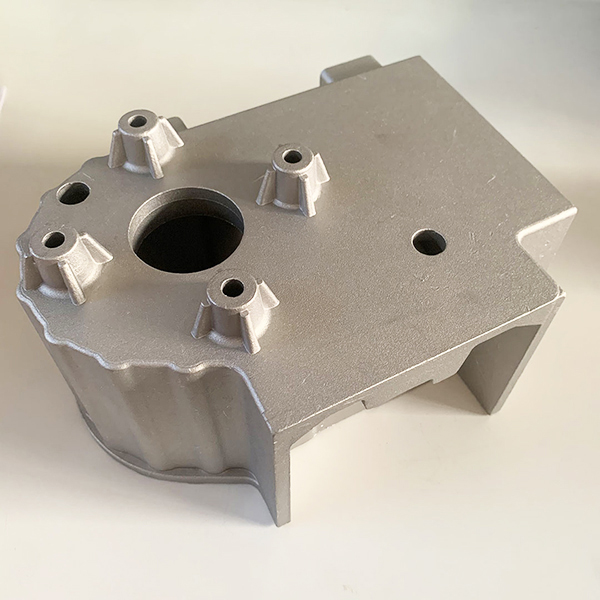
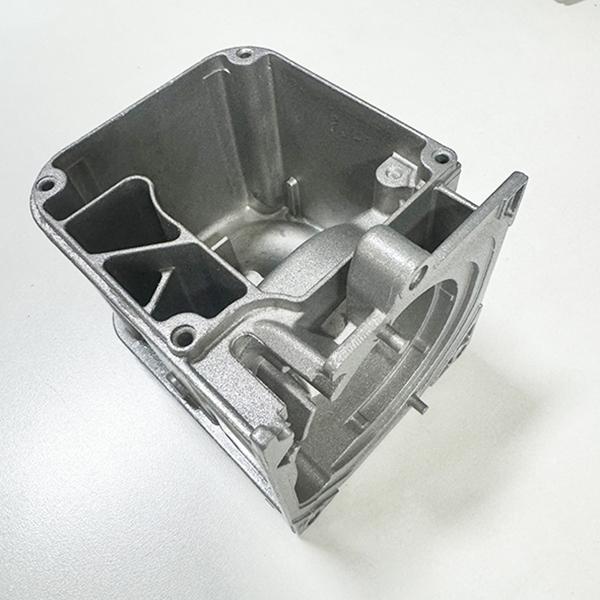
Aluminum die casting parts are light, strong, and corrosion-resistant. The process runs hot, with alloys melting above 600 degrees Celsius, which limits die life but allows parts that serve in structural and thermal roles. Aluminum is the default for automotive, industrial equipment, and housings where weight and strength matter. If the part is bigger than your hand and carries load, aluminum is usually the answer.
Zinc at a Glance
Zinc casts cooler, flows better, and hits tighter tolerances. It is heavier, roughly 2.5 times the density of aluminum, but it can form walls half as thin. That combination makes zinc ideal for small, detailed parts where dimensional accuracy and surface finish are the priorities. If the part fits in your palm and needs fine detail, zinc deserves a close look.
Weight, Strength, and Wall Thickness Compared
For equal stiffness, a zinc part can be thinner, which narrows the weight gap between the two materials. Still, aluminum wins outright on weight, which is why automotive and new energy applications favor it. On strength per unit of weight, aluminum is ahead. But zinc's thin-wall capability means a zinc part can sometimes match the function of a heavier aluminum design with less material. The honest comparison is per part, not per material property sheet. If your product team keeps moving weight targets, aluminum gives you more headroom to revise the design later without switching processes.
Cost Comparison: Tooling, Material, and Cycle Time
Tooling costs tend to be lower for zinc because dies run cooler and last longer. Cycle times are shorter, raising output per hour. Material costs favor aluminum on a per-kilo basis, but thin-walled zinc parts can be surprisingly competitive on total cost. The honest summary: zinc often wins on per-piece cost for small parts, while aluminum wins for large or weight-sensitive parts. Ask a die casting manufacturer to quote both options, with tooling amortized over your expected volume, and compare the totals rather than the unit prices alone. Also factor in the tooling timeline. Zinc dies often finish faster because the steel work is smaller and heat treatment is simpler, which can matter when your launch date is fixed.
Finishing and Corrosion Behavior
Aluminum resists corrosion naturally and takes anodizing and powder coating well. Zinc needs protection outdoors, usually plating or painting, but it accepts decorative finishes exceptionally well, which is why it dominates plated hardware. In dry indoor environments, raw zinc parts can run as-cast for years without issues. Match the material to the environment the part will live in, and the finish decision gets much easier. The corrosion question deserves real thought for outdoor products, because re-coating thousands of parts in the field is not an option.
When the Choice Is Not Obvious
Some parts sit right in the middle. A medium-sized bracket could work in either material. A connector housing needs fine detail but also needs to be light. In those cases, run a proper comparison instead of guessing. Get quotes for both aluminum and zinc die casting, including tooling, and compare the total cost at your real volume. Ask the supplier for sample parts or case studies of similar work in both materials. Pay attention to the finishing story as well: if the part gets plated, zinc usually wins; if it gets anodized, only aluminum qualifies. And if the part carries heat, aluminum's thermal conductivity is hard to beat. When the numbers are close, choose the material that fits your supply chain and your next product revision, because you will live with that decision for years.
A Simple Decision Framework
Start with size and weight. Large, structural, or heat-dissipating parts point to aluminum. Small, detailed, tolerance-critical, or plated parts point to zinc. High volume with tight cost targets? Get quotes for both and compare honestly. When in doubt, let a die casting supplier run a quick feasibility review on your drawing. Most factories will do this for free, and it takes a day or two. The review will surface material-specific risks you might not see from a spec sheet. In practice, most manufacturers see a healthy mix of both materials in their order books, which is a reminder that the question is not which process is better, but which one fits this specific part.
References
ASTM International, ASTM B85/B85M, Standard Specification for Aluminum-Alloy Die Castings.
ASTM International, ASTM B86, Standard Specification for Zinc and Zinc-Aluminum (ZA) Alloy Die Castings.
North American Die Casting Association, Product Specification Standards for Die Castings.
International Zinc Association, Zinc Die Casting Manual.
ASM International, ASM Handbook, Volume 15: Casting.






Botou Ruitai Die Casting Co., Ltd.
Copyright © 2026-202 https://www.ruitaidiecasting.com. All Rights Reserved Botou Ruitai Die Casting Co., Ltd.All rights reserved