

 Current location:
NEWS INFORMATION
Aluminum Die Casting Parts: Key Applications Across Major Industries
date:2026-08-27 16:17:45 click:200
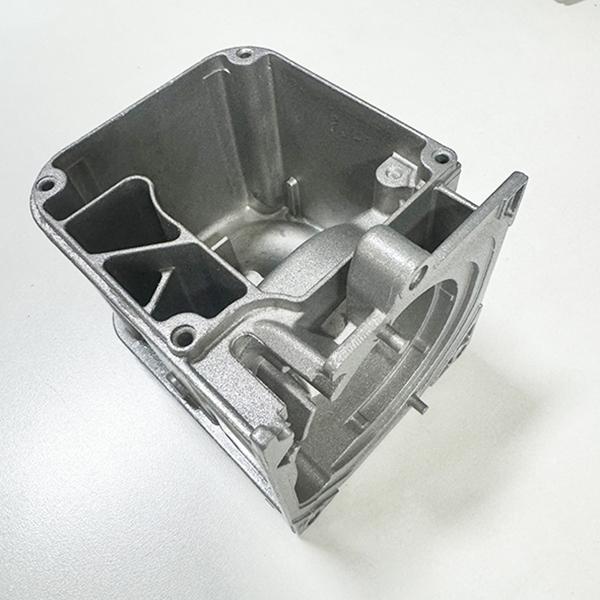
The demand for aluminum die casting parts has surged across nearly every manufacturing sector, driven by the material's exceptional strength-to-weight ratio, dimensional accuracy, and cost efficiency at scale. As industries push toward lighter, more durable, and more complex components, die casting factories have responded by refining their processes to deliver parts that meet increasingly stringent performance standards. Understanding where and how these components are used reveals why so many engineers and procurement specialists consistently turn to aluminum casting suppliers for their most demanding applications.
Automotive Industry Applications
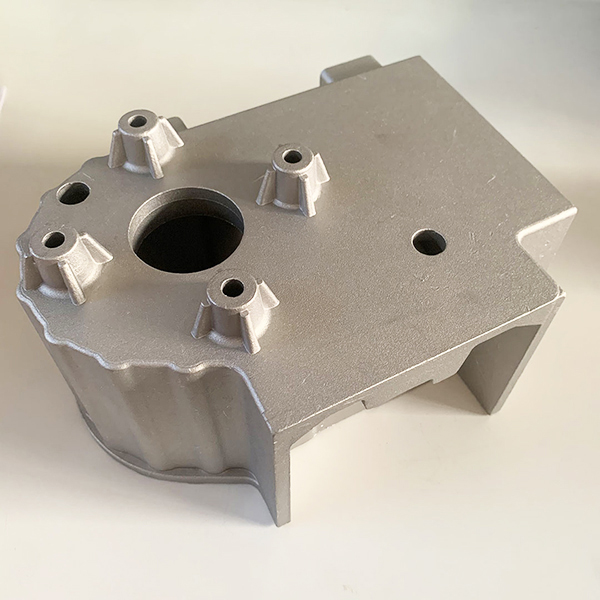
The automotive sector remains the single largest consumer of aluminum die casting parts, and that dominance shows no signs of weakening. Transitioning from internal combustion engines to electric vehicle platforms has only accelerated the appetite for die-cast components. Electric motor housings, battery tray enclosures, transmission housings, and structural chassis members are routinely produced using high-pressure die casting because the process delivers the thin-walled, complex geometries these applications demand while keeping overall vehicle weight manageable.
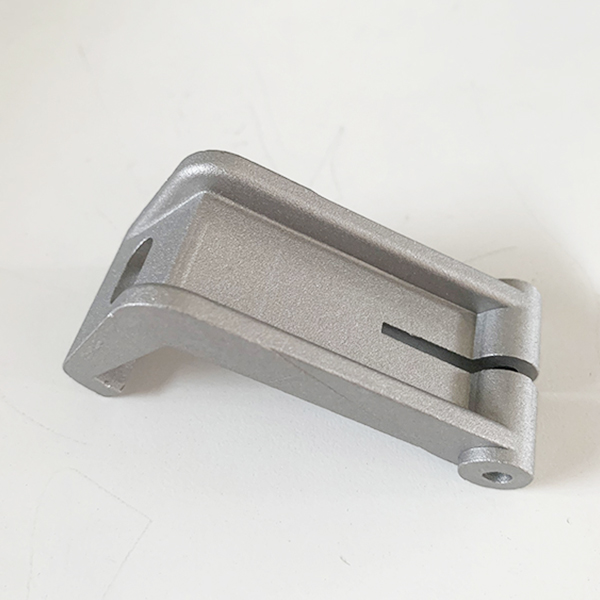
Beyond the drivetrain, automotive manufacturers rely on precision die casting to produce components such as steering column brackets, instrument panel supports, and HVAC housing units. The repeatability of the die casting process means that each part emerges within tight tolerances, reducing the need for secondary machining and trimming. For automakers operating on razor-thin margins, this consistency translates directly into lower per-unit costs and shorter assembly timelines. An aluminum casting supplier that can deliver these parts with minimal variation across millions of units becomes a strategic partner rather than a simple vendor.
The shift toward vehicle electrification has introduced entirely new categories of components into the die casting pipeline. Cooling plates for battery modules, electric axle housings, and integrated motor housings all require the thermal conductivity and electromagnetic shielding properties that aluminum provides. Die casting factories equipped to handle these specialized geometries are seeing their order books expand as major automakers phase out internal combustion platforms over the next decade.
Electronics and Electrical Applications
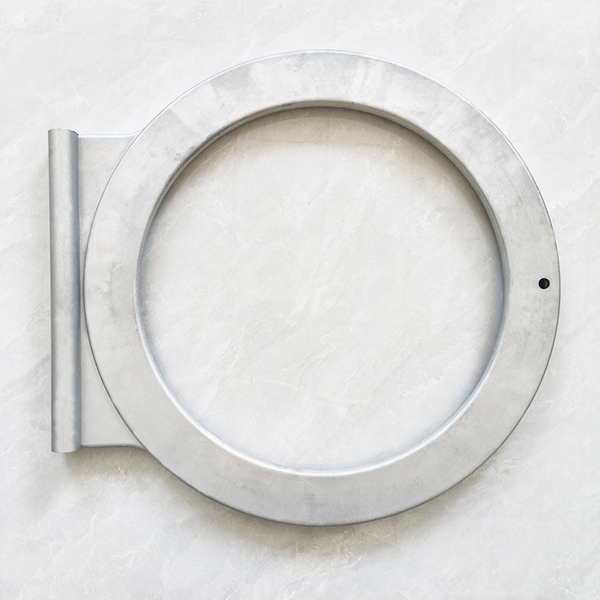
Consumer electronics and electrical infrastructure represent another frontier where aluminum die casting parts have become indispensable. The proliferation of high-performance computing, telecommunications hardware, and renewable energy systems has created a sustained appetite for enclosures, heat sinks, and mounting frames that combine structural integrity with effective thermal management. Aluminum's natural thermal conductivity makes it an ideal choice for dissipating heat away from sensitive electronics, and die casting allows these heat dissipation solutions to be produced in complex shapes that maximize surface area without adding unnecessary mass.
LED lighting fixtures, power inverters, and smart grid switching equipment all depend on die-cast housings to protect internal components from environmental contamination while maintaining stable operating temperatures. Telecommunications towers and data center infrastructure, in particular, require large volumes of identical enclosures that can withstand prolonged exposure to the elements. A die casting manufacturer with sufficient capacity to fulfill these orders at consistent quality levels holds a significant advantage in this market segment.
The trend toward miniaturization in consumer electronics has also driven innovation within the die casting process itself. Manufacturers are developing thinner-walled die castings that maintain structural rigidity through optimized alloy compositions and improved gating systems. These advancements allow electronics designers to reduce the footprint of their products without sacrificing durability or thermal performance, opening the door to sleeker form factors in everything from handheld devices to home appliances.
Industrial Machinery and Equipment
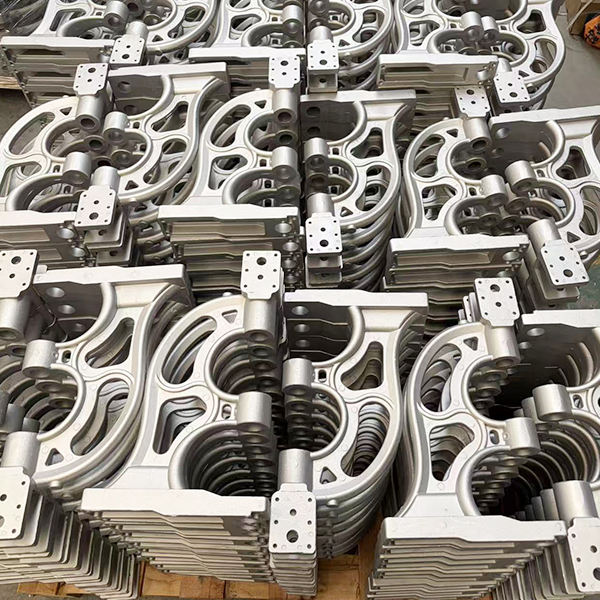
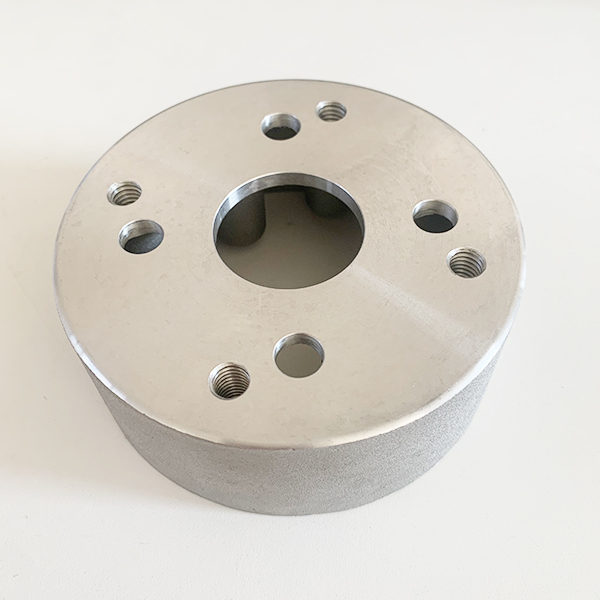
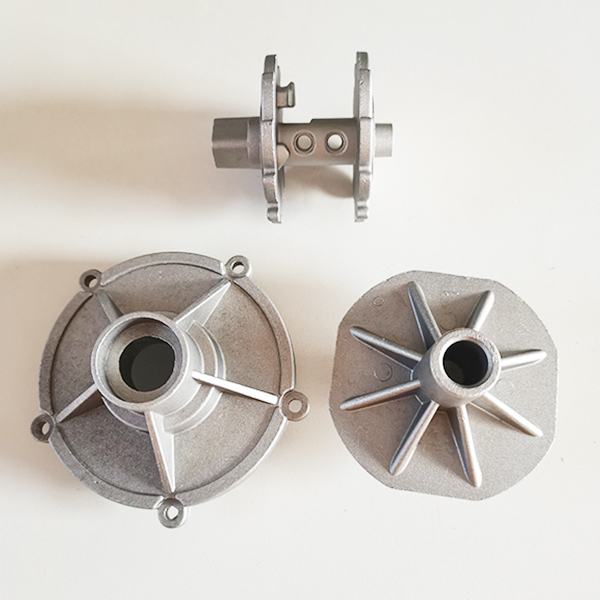
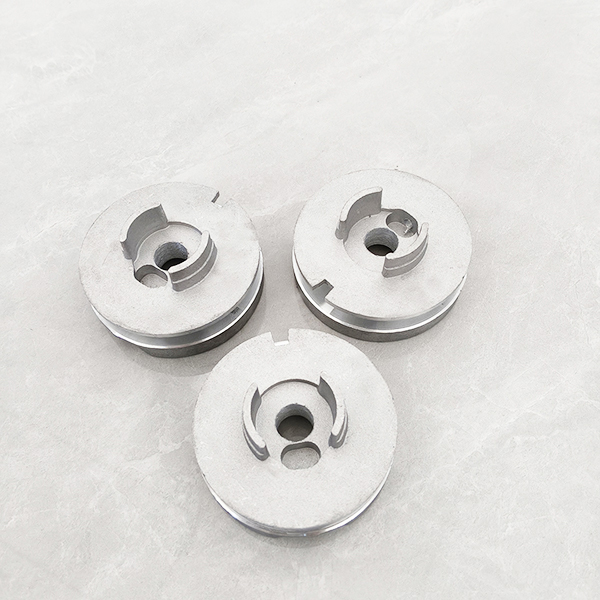
Industrial machinery and equipment manufacturers have long recognized the value of aluminum die casting parts for applications ranging from pump housings and compressor components to valve bodies and robotic arm joints. The demanding environments in which these machines operate—high pressure, temperature extremes, corrosive atmospheres—require components that can perform reliably over tens of thousands of operating hours. Die casting delivers the density and structural consistency needed to meet these challenges while enabling the complex internal passages and mounting features that modern machine designs require.
Pneumatic and hydraulic systems, in particular, benefit from die-cast aluminum components because the process can produce seamless internal channels that reduce the risk of leaks and pressure losses. Pump housings cast from aluminum alloys resist corrosion in water treatment and chemical processing applications, and their lighter weight simplifies installation and maintenance in the field. Industrial automation has added another layer of demand, as robotic systems and automated guided vehicles depend on lightweight yet rigid structural members that only precision die casting can consistently produce.
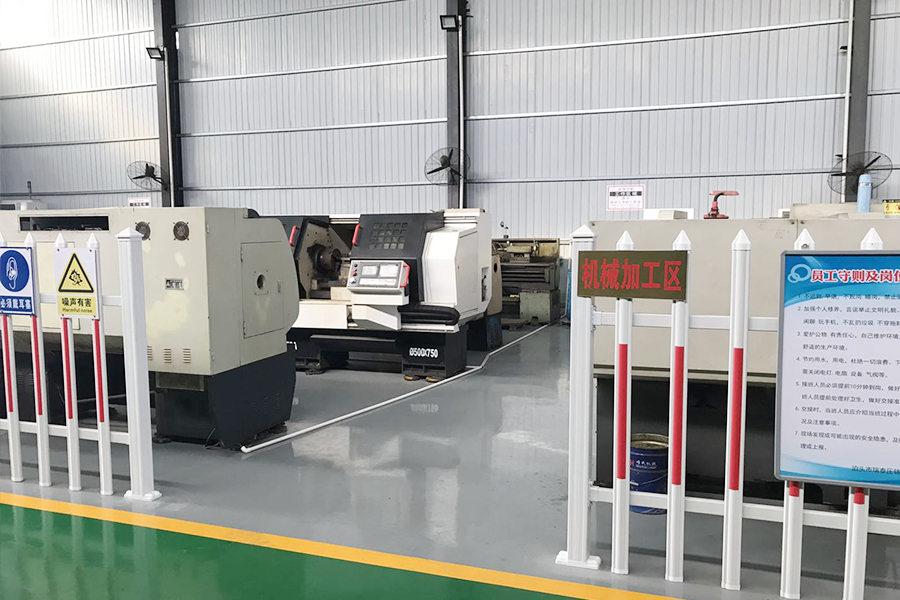
A die casting factory serving the industrial sector must balance the competing priorities of high production volume and meticulous quality assurance. Components used in safety-critical applications, such as hydraulic valve bodies in construction equipment or structural mounts in mining machinery, require non-destructive testing protocols and documented traceability that only well-equipped facilities can provide. The ability to offer these quality assurances alongside competitive pricing defines the most capable aluminum casting suppliers in this space.
Why Die Casting Parts Stand Out
Several inherent advantages of the die casting process explain its widespread adoption across these industries. The method produces parts with smooth as-cast surfaces that often require no additional finishing before assembly, eliminating multiple steps from the manufacturing workflow. The dimensional accuracy of die-cast components reduces scrap rates and the need for secondary operations, which directly improves the cost efficiency of large-scale production runs. Aluminum alloys used in die casting offer excellent corrosion resistance, high thermal conductivity, and favorable strength characteristics that make them suitable for both structural and functional applications.
Another significant advantage lies in the design flexibility the process affords. Engineers can consolidate multiple individual parts into a single die-cast component, reducing assembly time and eliminating potential points of mechanical failure. This part consolidation strategy has proven particularly valuable in the automotive and electronics industries, where reducing the total number of fasteners, gaskets, and joints directly improves product reliability and simplifies supply chain management.
Sustainability has also emerged as a compelling driver of die casting adoption. Aluminum is one of the most recyclable industrial materials, and the die casting process generates relatively low levels of scrap compared to subtractive manufacturing methods. Most die casting factories maintain active recycling programs that reprocess sprues, runners, and defective parts back into the production loop, aligning with the environmental mandates that increasingly influence purchasing decisions across all three major industry segments.
Summary
Aluminum die casting parts occupy a foundational role in the manufacturing supply chains of the automotive, electronics, and industrial machinery sectors. Their combination of lightweight strength, dimensional precision, and production cost efficiency makes them the preferred choice for engineers designing components that must perform reliably under demanding conditions. As electric vehicles, advanced electronics, and automated industrial systems continue to proliferate, the strategic importance of capable die casting manufacturers and aluminum casting suppliers will only grow. Companies that invest in advanced die casting technology and maintain rigorous quality standards are well positioned to capture the expanding opportunities these converging industries present.
References
Source: Modern Casting Magazine, 2023 — Annual Census of World Casting Production
Source: Die Casting Engineer Quarterly, 2024 — Technology Trends in High-Pressure Aluminum Die Casting
Source: Grand View Research, 2024 — Aluminum Die Casting Market Size, Share & Trends Analysis Report






Botou Ruitai Die Casting Co., Ltd.
Copyright © 2026-202 https://www.ruitaidiecasting.com. All Rights Reserved Botou Ruitai Die Casting Co., Ltd.All rights reserved